Arvenolyx is an independent research platform dedicated to identifying, analyzing, and monitoring systemic risks that may impact the stability of financial markets and the broader global economy.
Systemic risks are by nature interconnected — a disruption in one segment of the financial system can cascade through institutions, borders, and asset classes with devastating speed. Our work helps researchers, policymakers, and informed citizens understand these dynamics before, during, and after crises.
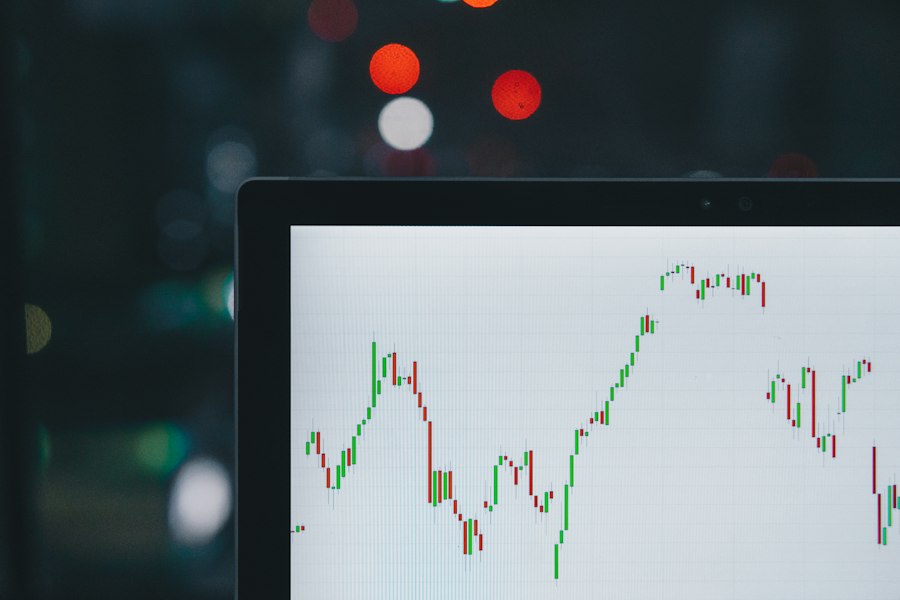
We examine systemic risk across six interconnected dimensions of the global financial system.
Monitoring leverage ratios, liquidity buffers, non-performing loan exposure, and cross-institutional contagion pathways within banking systems.
Read analysisTracking debt sustainability, rollover risk, and the systemic implications of sovereign stress events in advanced and emerging economies.
Read analysisModeling interconnectedness between financial institutions and the transmission of shocks through bilateral exposures and common asset holdings.
Read analysisExamining liquidity mismatches, sudden stops, and the amplification of asset price volatility through margin calls and forced deleveraging.
Read analysisAssessing how domestic financial instabilities propagate across borders through trade linkages, capital flows, and currency dynamics.
Read assessmentEvaluating non-traditional risk sources including climate-related financial risks, digital asset volatility, and algorithmic trading instabilities.
Read analysis
Historical crises are our most rigorous laboratory. Our impact assessments examine real-world events — from the 2008 Global Financial Crisis to the 2020 COVID shock — to extract lessons about propagation mechanisms and recovery dynamics.
All content published by Arvenolyx is provided for informational and educational purposes only. We do not offer investment advice, financial services, or paid subscriptions. Our research is free and openly accessible.
We welcome engagement from researchers, journalists, policymakers, and anyone interested in systemic financial risk.
